Forget the quick tours and the industrial production lines.
At the heart of true Mexican culture lies a spirit crafted not by machines,
but by time, patience, and tradition: small-batch tequila making.
For centuries, the process of turning the mighty blue agave plant
into tequila has been an art, and here at Noble Corazón, we honor
every step. If you’ve ever wondered why some tequilas taste vibrant,
complex, and unlike anything else, the secret isn't in a factory;
it's in the careful, traditional tequila process we follow.
This is the difference between mass-produced alcohol and an
artisan agave distillation—this is the Noble Corazón difference.
Step 1: The Agave Harvest (Jimado)
The process starts with the jimador (harvester) identifying the perfect blue agave plant—which can take 7 to 10 years to mature. Precision is key. They use a sharp tool called a coa to cut away the leaves, leaving only the central core, or piña.
Tips:
A fully mature piña is high in natural sugars (fructose), essential for a superior tequila.
The best small-batch producers, like Noble Corazón, only harvest fully mature agave, never rushing the natural cycle.
Step 2: The Slow Cooking (Cocimiento)
This is where the Noble Corazón difference truly begins. After the heavy piñas are chopped, they are transported to traditional brick ovens (hornos) or stone ovens. Commercial tequilas use high-pressure, quick-steam autoclaves, but we rely on slow-cooked agave. This method caramelizes the piñas' starches into fermentable sugars, unlocking complex, rich, and earthy flavors that simply cannot be replicated by speed.
Tips:
Slow Cooking is Key: The piñas are cooked gently for up to 72 hours. This time allows the flavors to deepen and sweeten naturally.
The darker color of some Reposados and Añejos starts here, with the natural caramelization, not just the barrel.
Step 3: Crushing the Agave (Molienda)
Once cooked, the sweet, soft piñas are crushed to extract the sugary juice, or aguamiel. Many industrial distilleries use shredders, but traditional producers use a heavy, large stone wheel called a tahona. This slow, methodical crushing process ensures the fibers are broken gently, preventing bitterness and retaining the unique agave flavors that define our small-batch tequila making.
Step 4: Fermentation and The Soul of Tequila
Fermentation is the magical step where sugar turns into alcohol. The aguamiel is placed into large wooden vats where natural yeasts—either wild yeasts from the air or special proprietary strains—begin their work. The small-batch approach means we never rush this process. Slower fermentation yields more complex aromatic compounds, contributing to the sophisticated final taste.
Tips:
No Additives: True artisan tequila, like Noble Corazón, uses 100% natural agave and water, without added sugars or coloring.
Fermentation usually takes between 4 to 7 days, depending on the temperature and environment.
If you’re a true connoisseur eager to explore the aromatic complexities derived from fermentation, our Premium Tequila Tasting offers a dedicated, deep dive into these intricate flavor profiles, unavailable in standard tours.
Step 5: Artisan Agave Distillation
Distillation purifies the fermented liquid into tequila. While the law requires two distillations, traditional small-batch producers often prefer copper pot stills over column stills. Copper interacts beautifully with the liquid, removing unwanted elements while preserving the essential agave aromas. The skill lies in knowing when to cut the 'heads' and 'tails' (the beginning and end parts of the run) to capture only the purest 'heart' of the tequila.
Tips:
Copper Stills: Look for this detail when choosing an artisan tequila; it is a hallmark of quality.
The first distillation is called ordinario and is not yet true tequila. The second (and sometimes third) distillation yields the final product.
Step 6: Aging the Spirit (Reposado & Añejo)
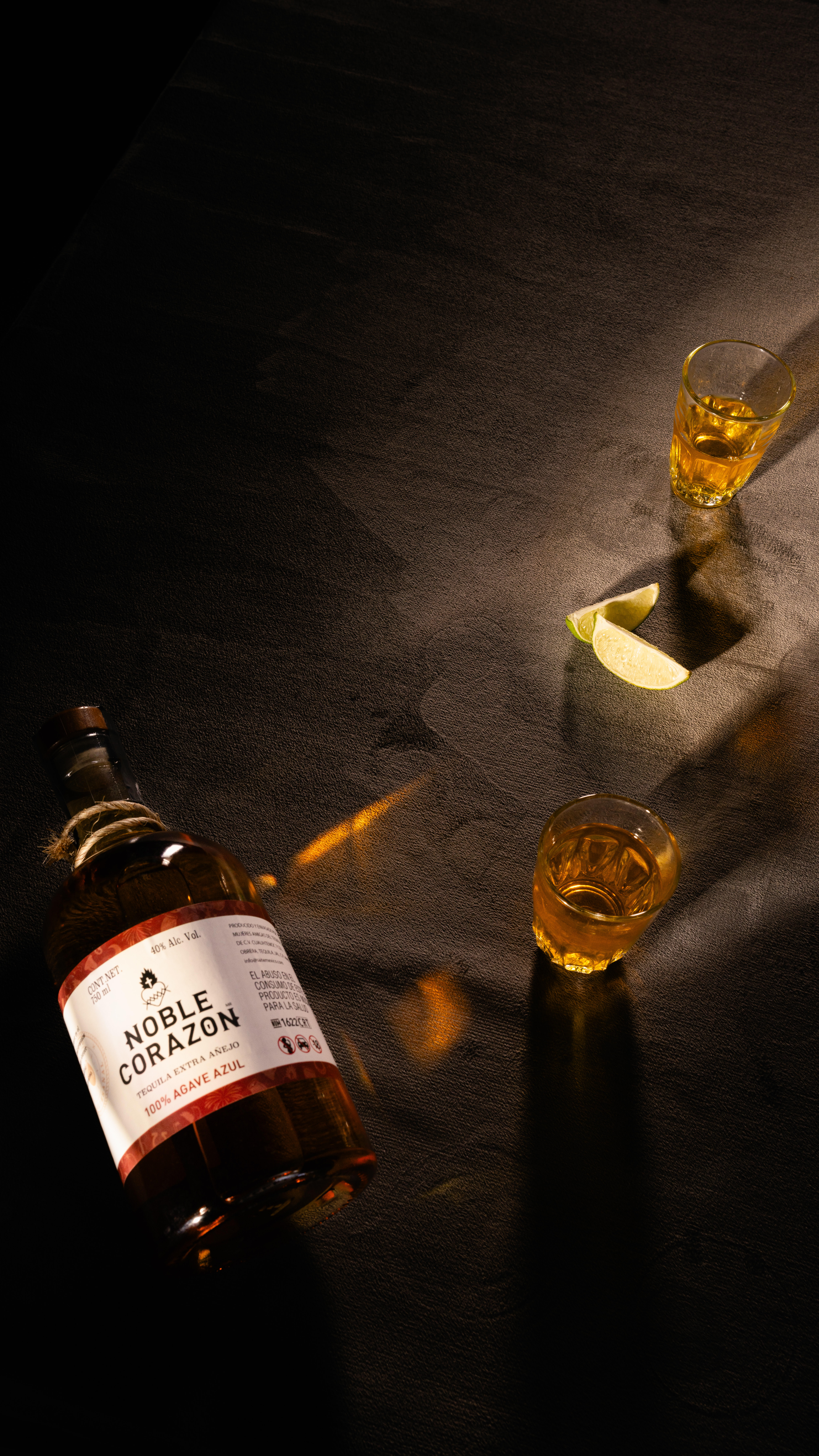
Not all tequila is aged, but Reposado, Añejo, and Extra Añejo spend time in oak barrels to gain color, smoothness, and complexity. Small-batch producers are incredibly selective about their barrels, often using American or French oak previously used for whiskey or bourbon. This barrel-selection process is vital to the final character of our Noble Corazón spirits.
Tips:
Reposado: Aged a minimum of two months.
Añejo: Aged a minimum of one year.
Extra Añejo: Aged a minimum of three years.
How to Taste the Small-Batch Difference
Understanding the artisan process fundamentally changes how you taste tequila. When tasting a small-batch spirit, focus less on the burn and more on the aroma, the texture, and the finish. Look for notes of cooked agave, citrus, pepper, or vanilla—these are the rewards of the slow, traditional production cycle.
Conclusion:
The six steps of small-batch tequila making—from the careful jimado to the selective
barrel aging—are what separate ordinary spirits from extraordinary ones.
Here at Noble Corazón, our commitment to this traditional tequila process
is our guarantee of quality and authenticity. We invite you not just to
read about our secrets, but to taste them for yourself.
Ready to start your journey into artisan tequila? Begin with a foundational masterclass where you can sample our full range of spirits and learn the basics of the process described above: Book The Authentic Shared Tequila Tasting today!

0 comments
Leave a Comment